Posted in Positive Flow

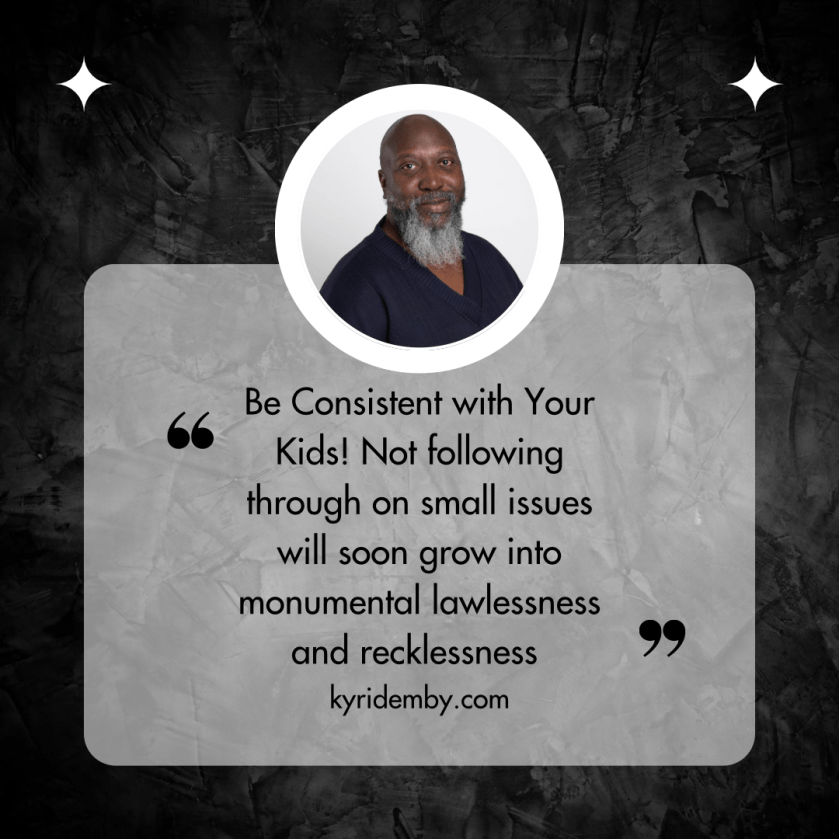
The Little Things Matter: Why Ignoring Small Rules Can Lead to Big Problems for Our Kids

We’ve all been there. Your child is bursting with energy, eager to get to the other side of the street. The crosswalk is just a few extra steps away, and the street looks clear. “Just this once,” you might think, or even say aloud. “It’s not a big deal.”

But what if those “little things” are a big deal in the making? As parents, we are our children’s first and most important teachers about how the world works and the importance of rules. When we allow them to disregard seemingly minor rules, like crossing the street outside the crosswalk, we might inadvertently be setting them up for bigger challenges down the road.

Think of it like building a tower. Each small, seemingly insignificant block contributes to the overall structure. If some of those initial blocks are crooked or out of place, the entire tower becomes unstable. Similarly, when children learn that it’s okay to bend or break small rules, it can erode their respect for rules in general.

The Domino Effect: How Small Rule-Breaking Can Escalate

Let’s consider the simple act of jaywalking. Today, it might seem like a harmless shortcut. But what message does it send?

  • Disregard for Safety: It teaches children that their convenience outweighs their safety and the established systems designed to protect them.
  • Entitlement: It can foster a sense that rules don’t apply to them, that they are somehow exempt from the expectations placed on others.
  • Normalization of Rule-Breaking: If it’s okay to ignore this rule, where do we draw the line? It can create a blurry understanding of what is and isn’t acceptable.

Over time, this pattern of disregarding small rules can unfortunately extend to other areas of their lives:

  • School: A child who learns to cut corners on the street might be tempted to cut corners on homework or disregard classroom rules.
  • Social Interactions: Ignoring rules can translate into a lack of respect for boundaries in friendships and other relationships.
  • Future Responsibilities: As they grow older, a casual attitude towards rules can impact their ability to follow workplace regulations, traffic laws, and even legal obligations.

Our Role as Role Models

Our children are always watching us. When we ourselves follow the rules – even the seemingly small ones – we demonstrate their importance through our actions. Conversely, if they see us jaywalking, speeding, or bending other minor rules, it sends a confusing message and undermines our efforts to teach them respect for regulations.

Building a Foundation of Respect

It’s not about being overly strict or creating a fear of authority. It’s about instilling a fundamental understanding that rules exist for a reason – often for our safety and the smooth functioning of society. By consistently emphasizing the importance of even the “little” rules, we help our children develop:

  • Respect for Authority: Understanding that rules are often in place for the greater good.
  • Responsibility: Recognizing their role in adhering to guidelines and the potential consequences of not doing so.
  • A Strong Moral Compass: Developing an internal sense of right and wrong that extends beyond the immediate situation.

So, the next time your child wants to dart across the street outside the crosswalk, take that extra moment. Explain why the crosswalk is there and why it’s important to use it. These seemingly small moments are powerful opportunities to build a strong foundation of respect for rules that will serve them well throughout their lives. Let’s help them build a sturdy tower, one solid block at a time.

Posted in Positive Flow

Delicious Goodness #1: YOU ARE A RUNNER!!! The Unyielding Spirit of the Runner

The crisp morning air bites at my cheeks, a familiar sting that wakes up every nerve ending. The starting gun cracks, a sharp punctuation mark against the nervous chatter, and then we’re off. A surge of bodies, a symphony of pounding feet, and the familiar rhythm begins. This is it. This is Delicious Goodness #1.

For those who don’t know, “Delicious Goodness #1” isn’t a fancy energy gel or a secret training technique. It’s the raw, unadulterated joy of the run itself. It’s the feeling of your lungs expanding, your muscles working in perfect harmony, the world blurring at the edges as you settle into your pace.

Today, like every race day, I toe the line with a mix of anticipation and nerves. I’ve trained hard. I’ve put in the miles. I’ve visualized the course. But the truth is, on any given day, anything can happen. The runner next to me might be faster. The hill might feel steeper than I remember. A sudden cramp could throw everything off.

And that’s okay.

Because being a runner isn’t just about crossing the finish line first. It’s about the journey. It’s about the commitment. It’s about showing up, putting in the effort, and pushing your limits, regardless of the outcome.

I run every race like a great runner should. That doesn’t mean I always win. In fact, the victories are often few and far between. There are races where my legs feel heavy from the start. There are races where the mental battle is tougher than the physical one. There are races where the disappointment stings, a bitter taste that lingers long after the cheering fades.

But even in those moments, I keep running.

I dig deep. I find that extra reserve of strength I didn’t know I had. I focus on the next step, the next breath. I remember why I started running in the first place – the freedom, the challenge, the connection to myself and the world around me.

And I keep running until the race is complete.

Because that’s the essence of Delicious Goodness #1. It’s the unwavering commitment to finish what you started. It’s the resilience to bounce back from setbacks. It’s the understanding that every race, win or lose, teaches you something valuable about yourself.

Today, as I navigate the twists and turns of the course, I’ll push myself. I’ll listen to my body. I’ll celebrate the small victories along the way – a strong climb, a steady pace, the encouragement from the crowd.

And when I cross that finish line, whether it’s with a triumphant surge or a weary stumble, I’ll know I gave it my all. I ran like a great runner should. And that, in itself, is a delicious kind of goodness.

So, to all my fellow runners out there, keep putting one foot in front of the other. Embrace the challenge, celebrate the effort, and never underestimate the power of finishing. Because in every race, in every run, there’s a delicious goodness waiting to be discovered.

See you on the road (or the trail)!

Posted in Positive Flow

ALL EYES ON DECK!!!!

Eyes On: The Digital Landscape and Your Kids

Parents, let’s have a frank conversation. The digital world is a vast, ever-expanding wilderness, and our children are navigating it with the equivalent of a rusty map and a flickering flashlight. It’s time to acknowledge the reality: parenting in the 21st century demands constant vigilance, especially when it comes to media consumption.

We’re not talking about a quick glance over their shoulder anymore. We’re talking about active, engaged monitoring of every screen, every platform, every audio stream they encounter. Music, video games, movies, TV shows, social media – the sheer volume of content available is staggering. And with that volume comes a responsibility that cannot be ignored.

The Illusion of Innocence:

It’s easy to assume that a cartoon is harmless, that a catchy song is just a catchy song, or that a video game is simply entertainment. But the truth is, media has power. It shapes perceptions, influences behavior, and can expose our children to messages and images that are inappropriate, harmful, or simply confusing.

  • Music: Lyrics can be explicit, violent, or promote harmful ideologies. Even seemingly innocuous tunes can subtly normalize unhealthy behaviors.
  • Video Games: Online interactions can expose children to cyberbullying, predatory behavior, and graphic content. In-game purchases can also lead to significant financial burdens.
  • Movies and TV Shows: Age ratings are not foolproof. Scenes can be disturbing, and themes can be complex and difficult for children to process without guidance.
  • Social Media: This is a minefield. From cyberbullying and online predators to unrealistic beauty standards and the constant pressure to curate a perfect online persona, social media poses significant risks to children’s mental and emotional well-being.

The Myth of “Just a Little Screen Time”:

There’s no such thing as “just a little” when it comes to unsupervised access. The internet doesn’t have an off switch. Once a child is exposed to something, it’s often impossible to unsee or unhear.

Parents, This Is Your Job:

  • Be Present: Don’t just hand over a device and walk away. Engage with your children’s media. Watch, listen, and play with them.
  • Set Boundaries: Establish clear rules about screen time, content access, and online interactions.
  • Educate and Empower: Talk to your children about online safety, critical thinking, and responsible media consumption.
  • Utilize Parental Controls: Explore and implement parental control settings on devices and platforms.
  • Stay Informed: Keep up-to-date on the latest apps, trends, and online risks.
  • Open Communication: Create an environment where your children feel comfortable talking to you about anything they encounter online.
  • Be consistent: Children need consistent rules and monitoring.

The digital world isn’t going away. It’s only going to become more complex and pervasive. We, as parents, must rise to the challenge. There is no resting. The responsibility is immense, but the well-being of our children is worth every ounce of effort. We must be their guides, their protectors, and their advocates in this ever-evolving digital landscape.