Posted in Positive Flow

My Black Fatigue: A Plea for Peace Within

Lately, a particular kind of weariness has settled deep in my bones. It’s not just the fatigue of navigating a world that often misunderstands or undervalues Black lives; it’s a specific kind of exhaustion that hits closer to home. It’s a fatigue born from seeing something that breaks my heart repeatedly: videos of Black people fighting each other, killing each other, and harming our own.
Every time another clip surfaces, another news report details a tragic loss, another senseless act of violence within our communities, a wave of despair washes over me. It’s a profound sadness, a raw frustration that screams, “Enough!” We are battling so much from the outside – systemic injustices, racial prejudice, the constant pressure to prove our worth. To then turn around and see us turn that pain and anger inward… it’s a burden almost too heavy to bear.
This isn’t about pointing fingers or shaming. It’s about acknowledging a deep wound that needs healing. It’s about the truth that while external forces absolutely contribute to our struggles, we also have a responsibility to ourselves and to each other.
One of the most critical lessons we need to collectively embrace is the power of emotional control. We are human, and emotions run high. We experience anger, frustration, jealousy, and fear, just like anyone else. But for Black people, the stakes of unchecked emotions can feel devastatingly high. When conflicts arise, when disagreements fester, when pride takes over, are we reaching for understanding, or are we reaching for destruction?
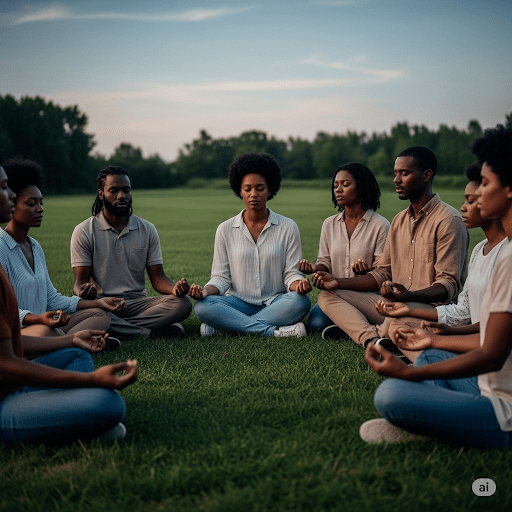
The reality is, we often carry immense trauma – historical, intergenerational, and current. We live with the weight of expectations, the sting of discrimination, and the constant fight for dignity. It’s understandable that sometimes, that pressure can manifest in unhealthy ways. But understanding it doesn’t excuse it. We owe it to ourselves, to our ancestors, and to future generations to break this cycle. (Stop, Think, and Breathe and Make the Right Choice)
We need to learn to pause.
We need to learn to listen.
We need to learn to de-escalate.
We need to learn to forgive.
This isn’t easy work. It requires introspection, community dialogue, and a commitment to new ways of being. It means teaching our children, and ourselves, how to resolve conflict without violence, how to express frustration without resorting to harm, and how to value every single Black life as precious.
My Black fatigue comes from seeing us hurting ourselves. But my hope comes from believing in our collective power to heal. Let’s channel that frustration into constructive action. Let’s transform our pain into purpose. Let’s learn to master our emotions, not be mastered by them. Only then can we truly build the strong, peaceful, and thriving communities we all deserve.
What are your thoughts? How can we, as a community, foster greater emotional intelligence and internal peace?
Posted in Positive Flow

They Might Push, But They Crave Your “No”: Why Kids Need Boundaries

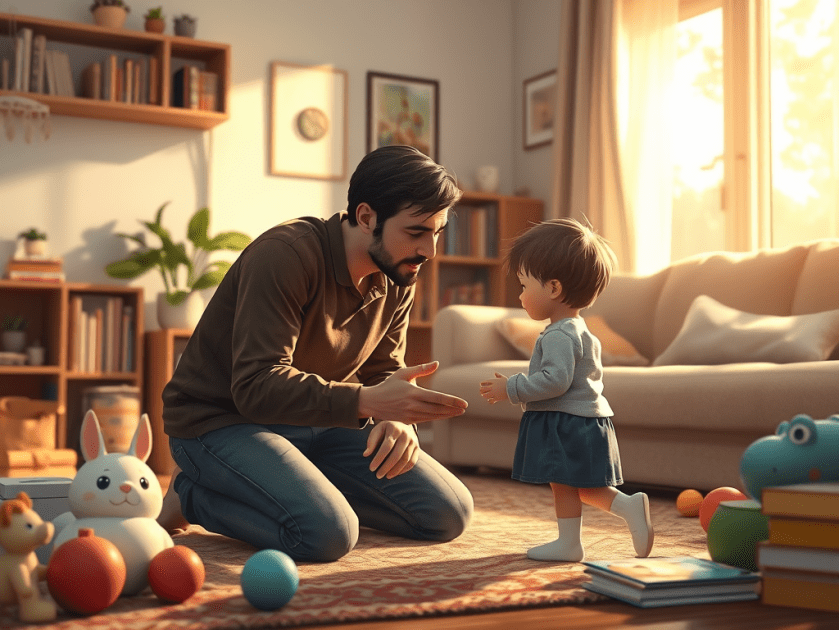
Hey parents, let’s talk about something that might feel counterintuitive: your kids, those little (and sometimes not-so-little) rebels, actually want boundaries. I know, I know. It probably feels like their life’s mission is to test every single limit you set. The constant negotiation, the whining, the outright defiance – it can be exhausting.

But beneath the surface of that boundary-pushing behavior lies a fundamental need for security and clarity. Think of it this way: your child’s job, in their developing brain, is to explore the world and understand its limits. And who better to test those limits with than the people they trust the most – you?

Pushing the Envelope: It’s Part of the Job Description

Seriously, boundary testing isn’t a sign of disrespect (though it can certainly feel that way!). It’s a natural part of their development. They’re trying to figure out:

  • What are the rules? They need to see if the line you drew yesterday is still there today.
  • How firm are those rules? Can they wiggle their way around them? What happens if they do?
  • Do you care enough to stop me? This is a big one. When you consistently and lovingly enforce boundaries, you’re sending a powerful message: “I care about your well-being and safety, and I’m here to guide you.”

Your Role: The Loving Limit-Setter

This is where you come in. While it’s your child’s job to push, it’s absolutely your job to be the steady, reliable force that prevents them from going too far. Think of yourself as the guardrails on a winding road. Your child might swerve and test the edges, but you’re there to keep them safe and on track.

When you consistently enforce boundaries, you’re actually giving your child several invaluable gifts:

  • A sense of security: Knowing what to expect creates a feeling of safety and predictability. When the rules are clear and consistently enforced, children feel more secure in their environment.
  • Learning self-regulation: By experiencing external limits, children gradually internalize those limits and learn to manage their own impulses.
  • Understanding consequences: Boundaries help children learn that actions have consequences, a crucial life lesson.
  • Feeling cared for: Counterintuitive as it may seem, children feel loved and cared for when you set and maintain boundaries. It shows them you’re invested in their well-being.

So, How Do We Do This?

Setting effective boundaries isn’t always easy, but here are a few things to keep in mind:

  • Be clear and consistent: State your boundaries clearly and enforce them consistently. Avoid vague rules or changing your mind frequently.
  • Explain the “why” (briefly): When appropriate, briefly explain the reason behind the boundary. This helps children understand the purpose, not just the rule.
  • Stay calm and firm: When your child pushes back, remain calm and firm in your response. Avoid getting drawn into power struggles.
  • Offer choices within limits: Where possible, offer your child choices within the established boundaries. This gives them a sense of control while still respecting the limits.
  • Show empathy, but stick to your guns: Acknowledge your child’s feelings (“I know you’re disappointed you can’t have another cookie”), but maintain the boundary.

The Takeaway: Embrace the “No”

Parents, your “no” is not a sign of being mean or unloving. It’s a powerful tool that helps your children feel safe, learn self-control, and understand the world around them. Embrace your role as the loving limit-setter. Your kids might push, but deep down, they’ll thank you for showing them you care enough to keep them safe. You’ve got this!

Posted in Positive Flow

It’s Okay When They’re Mad: Releasing the Fear of Your Child’s Displeasure

That furrowed brow. The crossed arms. The dramatic sigh that could rival a Shakespearean tragedy. As parents, we’ve all been there. Our child is not happy with us. Maybe it’s because we said no to that extra screen time, insisted on vegetables with dinner, or enforced a consequence for a broken rule. In those moments, a little pang of guilt or anxiety can creep in. We love our kids, and the thought of them being upset with us can be genuinely uncomfortable.

But here’s a truth we all need to embrace: it’s okay when your child is mad at you. In fact, sometimes, it’s a sign you’re doing your job.

As the grown-ups in the relationship, we carry the responsibility of guiding, protecting, and preparing our children for the world. This often means making decisions that aren’t immediately popular. We set boundaries for their safety, teach them responsibility through chores and consequences, and encourage healthy habits even when they’d rather do something else. These decisions, while crucial for their well-being, won’t always be met with cheers and high-fives.

Think about it. If we always gave in to our children’s every desire, what would that teach them? They might learn that their feelings are the only ones that matter, or that rules are meant to be broken if they protest loudly enough. As much as we want to see our kids happy, our primary role isn’t to be their best friend all the time. It’s to be their parent – their steady guide, even when the path involves a few bumps of disappointment.

Why those “hard no’s” are important:

  • Safety: Saying no to dangerous activities or unhealthy choices is non-negotiable. Their immediate frustration is a small price to pay for their well-being.
  • Learning boundaries: Understanding that there are limits and that not every desire can be fulfilled is a crucial life lesson.
  • Developing resilience: Experiencing disappointment and navigating negative emotions helps children build emotional strength and coping skills.
  • Respect for authority: Learning to respect the decisions of their parents lays the foundation for respecting other authority figures later in life.

Navigating the storm (without losing yourself):

  • Listen (without necessarily caving): Acknowledge their feelings. Say things like, “I understand you’re upset that you can’t have more screen time.” This validates their emotion without changing the boundary.
  • Explain your reasoning (simply and age-appropriately): Help them understand the “why” behind your decision. “We need to turn off the TV now so your eyes can rest before bed.”
  • Stay calm: Your reaction will influence theirs. If you get defensive or angry, the situation will likely escalate.
  • Don’t take it personally: Their anger is often directed at the situation, not necessarily at you as a person.
  • Reassure them of your love: Even when they’re upset, make sure they know you love them unconditionally. “I love you, and that’s why I need you to finish your homework before playing.”

Parenting isn’t a popularity contest. It’s a journey of guiding, nurturing, and sometimes, yes, disappointing our children in the short term for their long-term benefit. So, the next time you face a grumpy face or hear a frustrated sigh, take a deep breath. Remind yourself that you’re doing what you believe is best. It’s okay for them to be mad. It means they’re learning, and you’re growing as a parent too. You’ve got this.

Posted in Positive Flow

When the Bible Gives Me Anxiety Instead of Comfort

For many, the Bible is a source of comfort, a place they turn when life feels uncertain. But for me, it’s often the opposite. Reading certain parts of Scripture doesn’t bring me peace—it brings anxiety. And I know I’m not alone in this feeling, even if it’s not often talked about in church circles.

What troubles me most is how God is portrayed, especially in the Old Testament. Stories of entire villages being destroyed so the children of Israel could take the land—they don’t sit right with me. It feels less like divine justice and more like favoritism with a violent price tag. If God is love, why do so many people seem to get left out—or wiped out?

I wrestle with the idea that God might not want everyone to be saved. And when I read these stories, I can’t help but wonder: what if I’m not one of the “chosen”? That thought alone keeps me up at night.

Then I get to the New Testament and expect a change. Jesus arrives with compassion and mercy, right? But then I read about Him rebuking the Pharisees and others who followed the very laws God gave them. It almost feels like a teenager rebelling against a strict parent. Of course, I know that’s not what’s really happening—Jesus wasn’t rebelling but revealing the heart behind the law. Still, it’s hard to reconcile.

If God gave the law, why does it feel like Jesus is so hard on those who cling to it? If the Old Testament shows a God of order and commands, and the New Testament shows a God of grace, how do those pieces fit together without creating confusion and fear?

I’m not writing this because I have answers. I’m writing this because I need space to ask the questions. Faith isn’t always a straight line—it’s often a winding road through doubt, discomfort, and discovery. And maybe that’s okay.

Maybe God is big enough to handle my anxiety. Maybe He’s not offended by my questions. And maybe, in time, I’ll find a way to see these hard stories through a lens of hope rather than fear.

But for now, I’m still wrestling.

For Reflection:
“Now we see through a glass, darkly; but then face to face: now I know in part; but then shall I know even as also I am known.”
— 1 Corinthians 13:12 (KJV)