Blog

Posted in Just Talkin'

Defending Your Honor Without Violence: Is There Another Way?

It’s a scenario many of us have faced: you feel disrespected. Someone’s words or actions have crossed a line, and they’re not backing down. In that moment, a primal urge can kick in – the need to defend your honor, to stand your ground, to make it clear you won’t be trampled. For generations, especially in certain cultures and communities, violence or the threat of it has been seen as the ultimate arbiter of respect. But in a world grappling with the devastating consequences of conflict, a critical question arises: Is there a way to defend your honor without resorting to violence?
When we feel disrespected, and the other person isn’t backing down or offering an apology, the situation can quickly escalate. The adrenaline surges, emotions run high, and the instinct to retaliate can be powerful. But what if we paused for a moment and considered alternative paths? What if defending our honor didn’t have to mean engaging in a physical or even verbally aggressive battle?
Here are some approaches to consider when your honor feels challenged, and violence seems like the only option:

1. The Power of Your Voice (and Your Boundaries):

  • Verbal De-escalation: Often, disrespect stems from a misunderstanding or a projection of someone else’s issues. Calmly, clearly, and firmly stating how their words or actions impact you can be incredibly powerful. “When you say X, it makes me feel Y, and I don’t appreciate that.” This isn’t about being weak; it’s about being assertive and taking control of the narrative.
  • Setting Boundaries: Sometimes, the most honorable act is to remove yourself from a disrespectful situation. “I’m not going to engage in this conversation if you’re going to speak to me that way.” Walking away isn’t surrender; it’s a declaration that you value your peace and self-respect more than winning an argument with someone unwilling to be civil.

2. The Strength of Your Presence (and Your Reputation):

  • Dignified Silence: In some instances, engaging further only gives power to the disrespect. A calm, unwavering gaze, a slight nod, or simply turning away without a word can communicate more profound disapproval than any shouting match. Your actions speak louder than any words the other person might use.
  • Letting Your Character Speak: True honor isn’t something you fight for in a single moment; it’s built over a lifetime of consistent character, integrity, and respect for yourself and others. If someone tries to disrespect you, your existing reputation and the way you conduct yourself in the long run will often overshadow their temporary affront.

3. The Wisdom of Disengagement (and Strategic Avoidance):

  • Choosing Your Battles: Not every slight deserves a full-blown confrontation. Learning to discern what truly threatens your honor versus what is simply an annoyance or a misguided attempt at provocation is crucial. Some things are simply not worth your energy or peace of mind.
  • Strategic Avoidance: If a person is consistently disrespectful and unwilling to change, limiting or cutting off contact with them can be the ultimate act of self-preservation and honor defense. You honor yourself by not allowing toxic energy into your space.

4. The Path of Seeking Support (and Collective Action):

  • Mediation or Third-Party Intervention: In more complex or ongoing disputes, bringing in a neutral third party can help facilitate communication and find a resolution without escalation. This is often seen in workplace conflicts or community disputes.
  • Community Standards: For chronic disrespect within a community, upholding collective standards of behavior can be a powerful way to address issues. When a community collectively rejects disrespect, it creates an environment where such behavior is less likely to flourish.
    Defending one’s honor without violence requires a shift in perspective – from reaction to response, from raw emotion to thoughtful strategy. It demands self-awareness, emotional intelligence, and a deep understanding that true strength often lies not in physical dominance, but in the power of one’s character, boundaries, and the wisdom to choose peace over conflict.

What are your thoughts? Have you found effective ways to defend your honor without resorting to violence? Share your experiences in the comments below.

Posted in Positive Flow

My Black Fatigue: A Plea for Peace Within

Lately, a particular kind of weariness has settled deep in my bones. It’s not just the fatigue of navigating a world that often misunderstands or undervalues Black lives; it’s a specific kind of exhaustion that hits closer to home. It’s a fatigue born from seeing something that breaks my heart repeatedly: videos of Black people fighting each other, killing each other, and harming our own.
Every time another clip surfaces, another news report details a tragic loss, another senseless act of violence within our communities, a wave of despair washes over me. It’s a profound sadness, a raw frustration that screams, “Enough!” We are battling so much from the outside – systemic injustices, racial prejudice, the constant pressure to prove our worth. To then turn around and see us turn that pain and anger inward… it’s a burden almost too heavy to bear.
This isn’t about pointing fingers or shaming. It’s about acknowledging a deep wound that needs healing. It’s about the truth that while external forces absolutely contribute to our struggles, we also have a responsibility to ourselves and to each other.
One of the most critical lessons we need to collectively embrace is the power of emotional control. We are human, and emotions run high. We experience anger, frustration, jealousy, and fear, just like anyone else. But for Black people, the stakes of unchecked emotions can feel devastatingly high. When conflicts arise, when disagreements fester, when pride takes over, are we reaching for understanding, or are we reaching for destruction?
The reality is, we often carry immense trauma – historical, intergenerational, and current. We live with the weight of expectations, the sting of discrimination, and the constant fight for dignity. It’s understandable that sometimes, that pressure can manifest in unhealthy ways. But understanding it doesn’t excuse it. We owe it to ourselves, to our ancestors, and to future generations to break this cycle. (Stop, Think, and Breathe and Make the Right Choice)
We need to learn to pause.
We need to learn to listen.
We need to learn to de-escalate.
We need to learn to forgive.
This isn’t easy work. It requires introspection, community dialogue, and a commitment to new ways of being. It means teaching our children, and ourselves, how to resolve conflict without violence, how to express frustration without resorting to harm, and how to value every single Black life as precious.
My Black fatigue comes from seeing us hurting ourselves. But my hope comes from believing in our collective power to heal. Let’s channel that frustration into constructive action. Let’s transform our pain into purpose. Let’s learn to master our emotions, not be mastered by them. Only then can we truly build the strong, peaceful, and thriving communities we all deserve.
What are your thoughts? How can we, as a community, foster greater emotional intelligence and internal peace?

Posted in Positive Flow

They Might Push, But They Crave Your “No”: Why Kids Need Boundaries

Hey parents, let’s talk about something that might feel counterintuitive: your kids, those little (and sometimes not-so-little) rebels, actually want boundaries. I know, I know. It probably feels like their life’s mission is to test every single limit you set. The constant negotiation, the whining, the outright defiance – it can be exhausting.

But beneath the surface of that boundary-pushing behavior lies a fundamental need for security and clarity. Think of it this way: your child’s job, in their developing brain, is to explore the world and understand its limits. And who better to test those limits with than the people they trust the most – you?

Pushing the Envelope: It’s Part of the Job Description

Seriously, boundary testing isn’t a sign of disrespect (though it can certainly feel that way!). It’s a natural part of their development. They’re trying to figure out:

  • What are the rules? They need to see if the line you drew yesterday is still there today.
  • How firm are those rules? Can they wiggle their way around them? What happens if they do?
  • Do you care enough to stop me? This is a big one. When you consistently and lovingly enforce boundaries, you’re sending a powerful message: “I care about your well-being and safety, and I’m here to guide you.”

Your Role: The Loving Limit-Setter

This is where you come in. While it’s your child’s job to push, it’s absolutely your job to be the steady, reliable force that prevents them from going too far. Think of yourself as the guardrails on a winding road. Your child might swerve and test the edges, but you’re there to keep them safe and on track.

When you consistently enforce boundaries, you’re actually giving your child several invaluable gifts:

  • A sense of security: Knowing what to expect creates a feeling of safety and predictability. When the rules are clear and consistently enforced, children feel more secure in their environment.
  • Learning self-regulation: By experiencing external limits, children gradually internalize those limits and learn to manage their own impulses.
  • Understanding consequences: Boundaries help children learn that actions have consequences, a crucial life lesson.
  • Feeling cared for: Counterintuitive as it may seem, children feel loved and cared for when you set and maintain boundaries. It shows them you’re invested in their well-being.

So, How Do We Do This?

Setting effective boundaries isn’t always easy, but here are a few things to keep in mind:

  • Be clear and consistent: State your boundaries clearly and enforce them consistently. Avoid vague rules or changing your mind frequently.
  • Explain the “why” (briefly): When appropriate, briefly explain the reason behind the boundary. This helps children understand the purpose, not just the rule.
  • Stay calm and firm: When your child pushes back, remain calm and firm in your response. Avoid getting drawn into power struggles.
  • Offer choices within limits: Where possible, offer your child choices within the established boundaries. This gives them a sense of control while still respecting the limits.
  • Show empathy, but stick to your guns: Acknowledge your child’s feelings (“I know you’re disappointed you can’t have another cookie”), but maintain the boundary.

The Takeaway: Embrace the “No”

Parents, your “no” is not a sign of being mean or unloving. It’s a powerful tool that helps your children feel safe, learn self-control, and understand the world around them. Embrace your role as the loving limit-setter. Your kids might push, but deep down, they’ll thank you for showing them you care enough to keep them safe. You’ve got this!

Posted in Positive Flow

It’s Okay When They’re Mad: Releasing the Fear of Your Child’s Displeasure

That furrowed brow. The crossed arms. The dramatic sigh that could rival a Shakespearean tragedy. As parents, we’ve all been there. Our child is not happy with us. Maybe it’s because we said no to that extra screen time, insisted on vegetables with dinner, or enforced a consequence for a broken rule. In those moments, a little pang of guilt or anxiety can creep in. We love our kids, and the thought of them being upset with us can be genuinely uncomfortable.

But here’s a truth we all need to embrace: it’s okay when your child is mad at you. In fact, sometimes, it’s a sign you’re doing your job.

As the grown-ups in the relationship, we carry the responsibility of guiding, protecting, and preparing our children for the world. This often means making decisions that aren’t immediately popular. We set boundaries for their safety, teach them responsibility through chores and consequences, and encourage healthy habits even when they’d rather do something else. These decisions, while crucial for their well-being, won’t always be met with cheers and high-fives.

Think about it. If we always gave in to our children’s every desire, what would that teach them? They might learn that their feelings are the only ones that matter, or that rules are meant to be broken if they protest loudly enough. As much as we want to see our kids happy, our primary role isn’t to be their best friend all the time. It’s to be their parent – their steady guide, even when the path involves a few bumps of disappointment.

Why those “hard no’s” are important:

  • Safety: Saying no to dangerous activities or unhealthy choices is non-negotiable. Their immediate frustration is a small price to pay for their well-being.
  • Learning boundaries: Understanding that there are limits and that not every desire can be fulfilled is a crucial life lesson.
  • Developing resilience: Experiencing disappointment and navigating negative emotions helps children build emotional strength and coping skills.
  • Respect for authority: Learning to respect the decisions of their parents lays the foundation for respecting other authority figures later in life.

Navigating the storm (without losing yourself):

  • Listen (without necessarily caving): Acknowledge their feelings. Say things like, “I understand you’re upset that you can’t have more screen time.” This validates their emotion without changing the boundary.
  • Explain your reasoning (simply and age-appropriately): Help them understand the “why” behind your decision. “We need to turn off the TV now so your eyes can rest before bed.”
  • Stay calm: Your reaction will influence theirs. If you get defensive or angry, the situation will likely escalate.
  • Don’t take it personally: Their anger is often directed at the situation, not necessarily at you as a person.
  • Reassure them of your love: Even when they’re upset, make sure they know you love them unconditionally. “I love you, and that’s why I need you to finish your homework before playing.”

Parenting isn’t a popularity contest. It’s a journey of guiding, nurturing, and sometimes, yes, disappointing our children in the short term for their long-term benefit. So, the next time you face a grumpy face or hear a frustrated sigh, take a deep breath. Remind yourself that you’re doing what you believe is best. It’s okay for them to be mad. It means they’re learning, and you’re growing as a parent too. You’ve got this.

Posted in Positive Flow

When the Bible Gives Me Anxiety Instead of Comfort

For many, the Bible is a source of comfort, a place they turn when life feels uncertain. But for me, it’s often the opposite. Reading certain parts of Scripture doesn’t bring me peace—it brings anxiety. And I know I’m not alone in this feeling, even if it’s not often talked about in church circles.

What troubles me most is how God is portrayed, especially in the Old Testament. Stories of entire villages being destroyed so the children of Israel could take the land—they don’t sit right with me. It feels less like divine justice and more like favoritism with a violent price tag. If God is love, why do so many people seem to get left out—or wiped out?

I wrestle with the idea that God might not want everyone to be saved. And when I read these stories, I can’t help but wonder: what if I’m not one of the “chosen”? That thought alone keeps me up at night.

Then I get to the New Testament and expect a change. Jesus arrives with compassion and mercy, right? But then I read about Him rebuking the Pharisees and others who followed the very laws God gave them. It almost feels like a teenager rebelling against a strict parent. Of course, I know that’s not what’s really happening—Jesus wasn’t rebelling but revealing the heart behind the law. Still, it’s hard to reconcile.

If God gave the law, why does it feel like Jesus is so hard on those who cling to it? If the Old Testament shows a God of order and commands, and the New Testament shows a God of grace, how do those pieces fit together without creating confusion and fear?

I’m not writing this because I have answers. I’m writing this because I need space to ask the questions. Faith isn’t always a straight line—it’s often a winding road through doubt, discomfort, and discovery. And maybe that’s okay.

Maybe God is big enough to handle my anxiety. Maybe He’s not offended by my questions. And maybe, in time, I’ll find a way to see these hard stories through a lens of hope rather than fear.

But for now, I’m still wrestling.

For Reflection:
“Now we see through a glass, darkly; but then face to face: now I know in part; but then shall I know even as also I am known.”
— 1 Corinthians 13:12 (KJV)

Posted in Positive Flow

The Little Things Matter: Why Ignoring Small Rules Can Lead to Big Problems for Our Kids

We’ve all been there. Your child is bursting with energy, eager to get to the other side of the street. The crosswalk is just a few extra steps away, and the street looks clear. “Just this once,” you might think, or even say aloud. “It’s not a big deal.”

But what if those “little things” are a big deal in the making? As parents, we are our children’s first and most important teachers about how the world works and the importance of rules. When we allow them to disregard seemingly minor rules, like crossing the street outside the crosswalk, we might inadvertently be setting them up for bigger challenges down the road.

Think of it like building a tower. Each small, seemingly insignificant block contributes to the overall structure. If some of those initial blocks are crooked or out of place, the entire tower becomes unstable. Similarly, when children learn that it’s okay to bend or break small rules, it can erode their respect for rules in general.

The Domino Effect: How Small Rule-Breaking Can Escalate

Let’s consider the simple act of jaywalking. Today, it might seem like a harmless shortcut. But what message does it send?

  • Disregard for Safety: It teaches children that their convenience outweighs their safety and the established systems designed to protect them.
  • Entitlement: It can foster a sense that rules don’t apply to them, that they are somehow exempt from the expectations placed on others.
  • Normalization of Rule-Breaking: If it’s okay to ignore this rule, where do we draw the line? It can create a blurry understanding of what is and isn’t acceptable.

Over time, this pattern of disregarding small rules can unfortunately extend to other areas of their lives:

  • School: A child who learns to cut corners on the street might be tempted to cut corners on homework or disregard classroom rules.
  • Social Interactions: Ignoring rules can translate into a lack of respect for boundaries in friendships and other relationships.
  • Future Responsibilities: As they grow older, a casual attitude towards rules can impact their ability to follow workplace regulations, traffic laws, and even legal obligations.

Our Role as Role Models

Our children are always watching us. When we ourselves follow the rules – even the seemingly small ones – we demonstrate their importance through our actions. Conversely, if they see us jaywalking, speeding, or bending other minor rules, it sends a confusing message and undermines our efforts to teach them respect for regulations.

Building a Foundation of Respect

It’s not about being overly strict or creating a fear of authority. It’s about instilling a fundamental understanding that rules exist for a reason – often for our safety and the smooth functioning of society. By consistently emphasizing the importance of even the “little” rules, we help our children develop:

  • Respect for Authority: Understanding that rules are often in place for the greater good.
  • Responsibility: Recognizing their role in adhering to guidelines and the potential consequences of not doing so.
  • A Strong Moral Compass: Developing an internal sense of right and wrong that extends beyond the immediate situation.

So, the next time your child wants to dart across the street outside the crosswalk, take that extra moment. Explain why the crosswalk is there and why it’s important to use it. These seemingly small moments are powerful opportunities to build a strong foundation of respect for rules that will serve them well throughout their lives. Let’s help them build a sturdy tower, one solid block at a time.

Posted in Positive Flow

Delicious Goodness #1: YOU ARE A RUNNER!!! The Unyielding Spirit of the Runner

The crisp morning air bites at my cheeks, a familiar sting that wakes up every nerve ending. The starting gun cracks, a sharp punctuation mark against the nervous chatter, and then we’re off. A surge of bodies, a symphony of pounding feet, and the familiar rhythm begins. This is it. This is Delicious Goodness #1.

For those who don’t know, “Delicious Goodness #1” isn’t a fancy energy gel or a secret training technique. It’s the raw, unadulterated joy of the run itself. It’s the feeling of your lungs expanding, your muscles working in perfect harmony, the world blurring at the edges as you settle into your pace.

Today, like every race day, I toe the line with a mix of anticipation and nerves. I’ve trained hard. I’ve put in the miles. I’ve visualized the course. But the truth is, on any given day, anything can happen. The runner next to me might be faster. The hill might feel steeper than I remember. A sudden cramp could throw everything off.

And that’s okay.

Because being a runner isn’t just about crossing the finish line first. It’s about the journey. It’s about the commitment. It’s about showing up, putting in the effort, and pushing your limits, regardless of the outcome.

I run every race like a great runner should. That doesn’t mean I always win. In fact, the victories are often few and far between. There are races where my legs feel heavy from the start. There are races where the mental battle is tougher than the physical one. There are races where the disappointment stings, a bitter taste that lingers long after the cheering fades.

But even in those moments, I keep running.

I dig deep. I find that extra reserve of strength I didn’t know I had. I focus on the next step, the next breath. I remember why I started running in the first place – the freedom, the challenge, the connection to myself and the world around me.

And I keep running until the race is complete.

Because that’s the essence of Delicious Goodness #1. It’s the unwavering commitment to finish what you started. It’s the resilience to bounce back from setbacks. It’s the understanding that every race, win or lose, teaches you something valuable about yourself.

Today, as I navigate the twists and turns of the course, I’ll push myself. I’ll listen to my body. I’ll celebrate the small victories along the way – a strong climb, a steady pace, the encouragement from the crowd.

And when I cross that finish line, whether it’s with a triumphant surge or a weary stumble, I’ll know I gave it my all. I ran like a great runner should. And that, in itself, is a delicious kind of goodness.

So, to all my fellow runners out there, keep putting one foot in front of the other. Embrace the challenge, celebrate the effort, and never underestimate the power of finishing. Because in every race, in every run, there’s a delicious goodness waiting to be discovered.

See you on the road (or the trail)!

Posted in Positive Flow

ALL EYES ON DECK!!!!

Eyes On: The Digital Landscape and Your Kids

Parents, let’s have a frank conversation. The digital world is a vast, ever-expanding wilderness, and our children are navigating it with the equivalent of a rusty map and a flickering flashlight. It’s time to acknowledge the reality: parenting in the 21st century demands constant vigilance, especially when it comes to media consumption.

We’re not talking about a quick glance over their shoulder anymore. We’re talking about active, engaged monitoring of every screen, every platform, every audio stream they encounter. Music, video games, movies, TV shows, social media – the sheer volume of content available is staggering. And with that volume comes a responsibility that cannot be ignored.

The Illusion of Innocence:

It’s easy to assume that a cartoon is harmless, that a catchy song is just a catchy song, or that a video game is simply entertainment. But the truth is, media has power. It shapes perceptions, influences behavior, and can expose our children to messages and images that are inappropriate, harmful, or simply confusing.

  • Music: Lyrics can be explicit, violent, or promote harmful ideologies. Even seemingly innocuous tunes can subtly normalize unhealthy behaviors.
  • Video Games: Online interactions can expose children to cyberbullying, predatory behavior, and graphic content. In-game purchases can also lead to significant financial burdens.
  • Movies and TV Shows: Age ratings are not foolproof. Scenes can be disturbing, and themes can be complex and difficult for children to process without guidance.
  • Social Media: This is a minefield. From cyberbullying and online predators to unrealistic beauty standards and the constant pressure to curate a perfect online persona, social media poses significant risks to children’s mental and emotional well-being.

The Myth of “Just a Little Screen Time”:

There’s no such thing as “just a little” when it comes to unsupervised access. The internet doesn’t have an off switch. Once a child is exposed to something, it’s often impossible to unsee or unhear.

Parents, This Is Your Job:

  • Be Present: Don’t just hand over a device and walk away. Engage with your children’s media. Watch, listen, and play with them.
  • Set Boundaries: Establish clear rules about screen time, content access, and online interactions.
  • Educate and Empower: Talk to your children about online safety, critical thinking, and responsible media consumption.
  • Utilize Parental Controls: Explore and implement parental control settings on devices and platforms.
  • Stay Informed: Keep up-to-date on the latest apps, trends, and online risks.
  • Open Communication: Create an environment where your children feel comfortable talking to you about anything they encounter online.
  • Be consistent: Children need consistent rules and monitoring.

The digital world isn’t going away. It’s only going to become more complex and pervasive. We, as parents, must rise to the challenge. There is no resting. The responsibility is immense, but the well-being of our children is worth every ounce of effort. We must be their guides, their protectors, and their advocates in this ever-evolving digital landscape.

Posted in Positive Flow

Raising Confident Kids: The Power of Internal Validation

In a world saturated with social media likes, academic pressures, and the constant hum of external opinions, it’s easy for children to become fixated on seeking validation from others. This relentless pursuit can lead to anxiety, insecurity, and a fragile sense of self-worth. As parents and caregivers, we have the incredible opportunity to equip our children with a powerful tool: internal validation.

What is Internal Validation?

Internal validation is the ability to recognize and accept your own feelings, thoughts, and experiences as valid and worthy, regardless of external opinions. It’s about building a strong inner compass that guides you, rather than constantly relying on external feedback.

Why is Internal Validation Important?

  • Builds Resilience: Children who validate themselves are better equipped to handle setbacks and criticism. They understand that their worth isn’t determined by external factors.
  • Fosters Self-Confidence: When children trust their own judgment and value their own feelings, they develop a strong sense of self-confidence.
  • Reduces Anxiety: The constant need for external validation can be incredibly stressful. Internal validation helps children regulate their emotions and reduce anxiety.
  • Encourages Authenticity: Children who are secure in their own value are more likely to be authentic and true to themselves.
  • Creates Healthier Relationships: Children who don’t rely on others for validation are more likely to form healthy, balanced relationships.

How to Help Your Child Develop Internal Validation:

  1. Listen Actively and Empathize:
  • Put down your phone, make eye contact, and truly listen to what your child is saying.
  • Acknowledge their feelings, even if you don’t understand them. Phrases like, “That sounds really frustrating,” or “I can see you’re feeling sad,” show that you’re listening and validating their experience.
  1. Validate Their Feelings, Not Necessarily Their Actions:
  • It’s important to differentiate between validating feelings and condoning behavior. You can acknowledge their anger without approving of a tantrum.
  • For example, “It’s okay to feel angry when you don’t get your way, but it’s not okay to hit your brother.”
  1. Encourage Self-Reflection:
  • Ask open-ended questions that encourage your child to reflect on their experiences.
  • “How did that make you feel?” or “What did you learn from that?” can help them develop self-awareness.
  1. Focus on Effort and Growth, Not Just Results:
  • Praise your child’s effort and perseverance, rather than just their achievements.
  • “I’m so proud of how hard you worked on that project,” or “You’re getting better at this every day,” emphasizes the process of learning and growth.
  1. Help Them Identify Their Strengths:
  • Help your child recognize their unique talents and abilities.
  • Point out their strengths and encourage them to use them.
  1. Teach Them to Trust Their Intuition:
  • Encourage your child to listen to their gut feelings and make decisions based on their own values.
  • Help them understand that it is ok to say no.
  1. Model Self-Validation:
  • Children learn by example. Share your own experiences with self-reflection and self-acceptance.
  • Show them that you are comfortable with your own imperfections.
  1. Limit Exposure to Unhealthy Social Media:
  • Social media can be a minefield of external validation seeking. Help your children limit their time online and teach them to be critical of what they see.
  1. Create a Safe and Supportive Environment:
  • Make sure your child feels loved, accepted, and safe to express their feelings without judgment.

By nurturing internal validation, we empower our children to build a strong foundation of self-worth that will serve them well throughout their lives. They will learn to trust themselves, embrace their individuality, and navigate the world with confidence and resilience.

Posted in Positive Flow

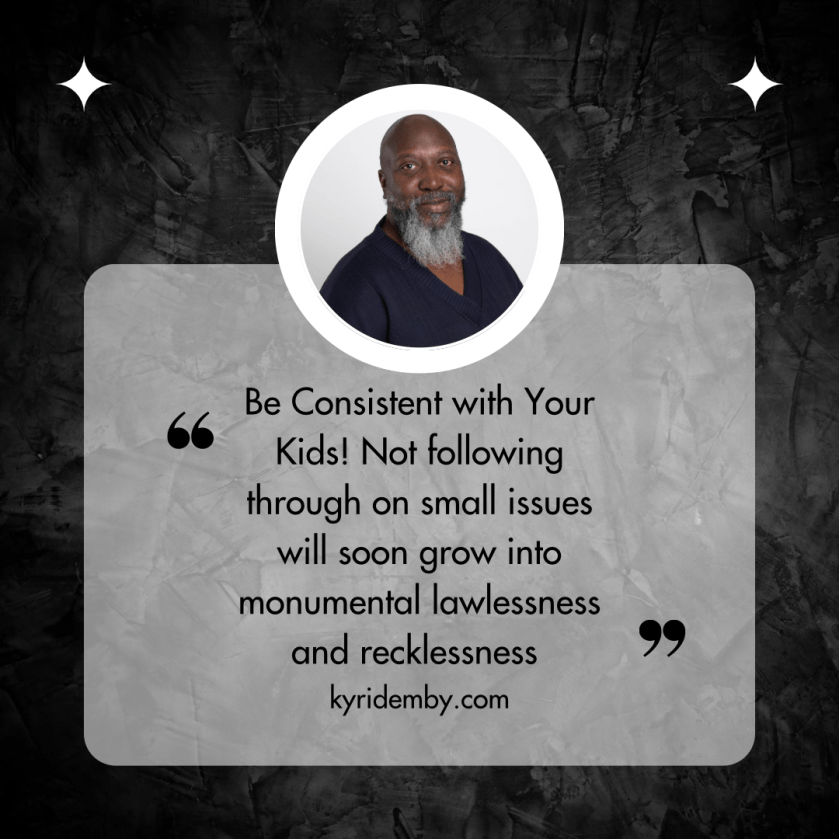
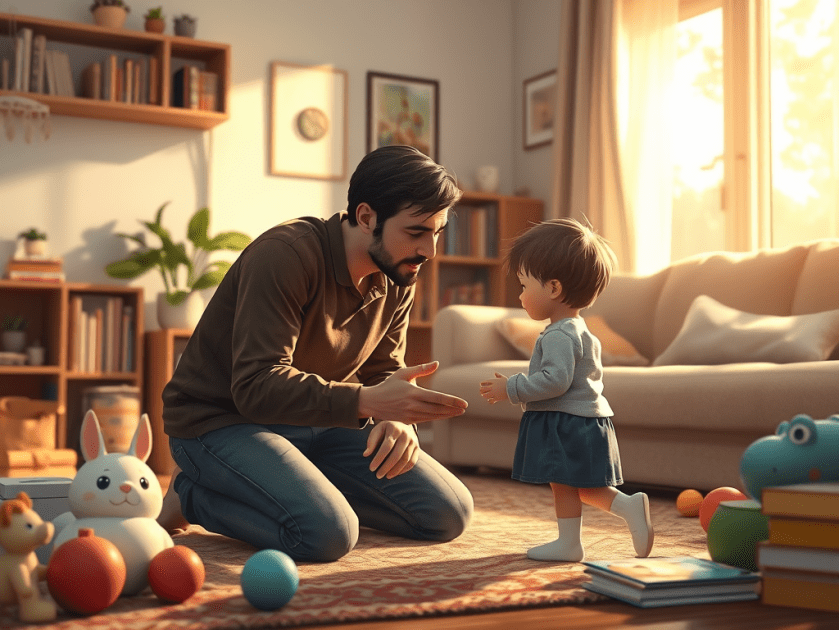
The Power of Predictability: Why Consistent Parenting Matters (and How to Achieve It)


Parenting is a wild ride. One minute you’re celebrating a tiny victory, the next you’re navigating a full-blown meltdown. In the midst of the chaos, one thing stands out as a beacon of stability: consistency. It’s the bedrock upon which trust, security, and healthy development are built. But let’s be honest, being consistent is easier said than done.
We all have those days where our patience is thin and we’re tempted to bend the rules “just this once.” However, the long-term benefits of consistent parenting far outweigh the short-term convenience of letting things slide. Today, let’s delve into why consistency is crucial and how to cultivate it in your own parenting journey.
Why Consistency Matters:

  • Creates a Sense of Security: Children thrive on predictability. Knowing what to expect provides them with a sense of safety and stability. Consistent rules and routines create a predictable environment where they feel secure and understood.
  • Builds Trust: When you consistently follow through on your promises and boundaries, your children learn to trust your word. This trust forms the foundation of a strong parent-child relationship.
  • Encourages Self-Regulation: Consistent routines help children develop self-discipline and self-regulation. By understanding the expectations, they learn to manage their behavior and emotions.
  • Reduces Anxiety: Unpredictable environments can lead to anxiety and stress in children. Consistent routines and clear expectations minimize uncertainty and promote a sense of calm.
  • Facilitates Learning: Consistent rules and routines provide a structured environment that supports learning and development. Children are more likely to learn and grow when they know what is expected of them.
    Rules and Routines: The Cornerstones of Consistency:
  • Establish Clear and Age-Appropriate Rules: Rules should be simple, easy to understand, and age-appropriate. Involve your children in creating the rules whenever possible. This gives them a sense of ownership and increases their likelihood of compliance.
  • Create Predictable Routines: Routines provide structure and predictability throughout the day. Establish consistent routines for mealtimes, bedtime, and other daily activities. A visual schedule can be helpful for younger children.
  • Be Consistent with Consequences: When rules are broken, it’s essential to follow through with consistent consequences. This teaches children that actions have consequences and reinforces the importance of following the rules.
  • Communicate Clearly and Calmly: Explain the rules and routines to your children in a clear and calm manner. Avoid yelling or using harsh language.
  • Be a Role Model: Children learn by observing their parents. Model the behavior you want to see in your children. If you want them to be respectful, be respectful yourself.
  • Flexibility within Structure: While consistency is important, it’s also essential to be flexible. Life happens, and sometimes routines need to be adjusted. Don’t be afraid to deviate from the schedule when necessary, but communicate the changes to your children.
  • Teamwork with Other Caregivers: If multiple caregivers are involved, ensure everyone is on the same page regarding rules and routines. This consistency across caregivers reinforces the message and avoids confusion for the child.
  • Give yourself grace: Nobody is perfect. There will be times when you slip up. Recognize this, apologize if needed, and recommit to your consistent approach.
    The Long Game:
    Remember, consistent parenting is a marathon, not a sprint. It takes time, patience, and perseverance. There will be days when you feel like you’re making no progress, but stay the course. The rewards of consistent parenting – a secure, trusting, and well-adjusted child – are well worth the effort.
    By establishing clear rules and predictable routines, you can create a stable and nurturing environment that allows your children to thrive. Embrace the power of predictability, and watch your children flourish.